
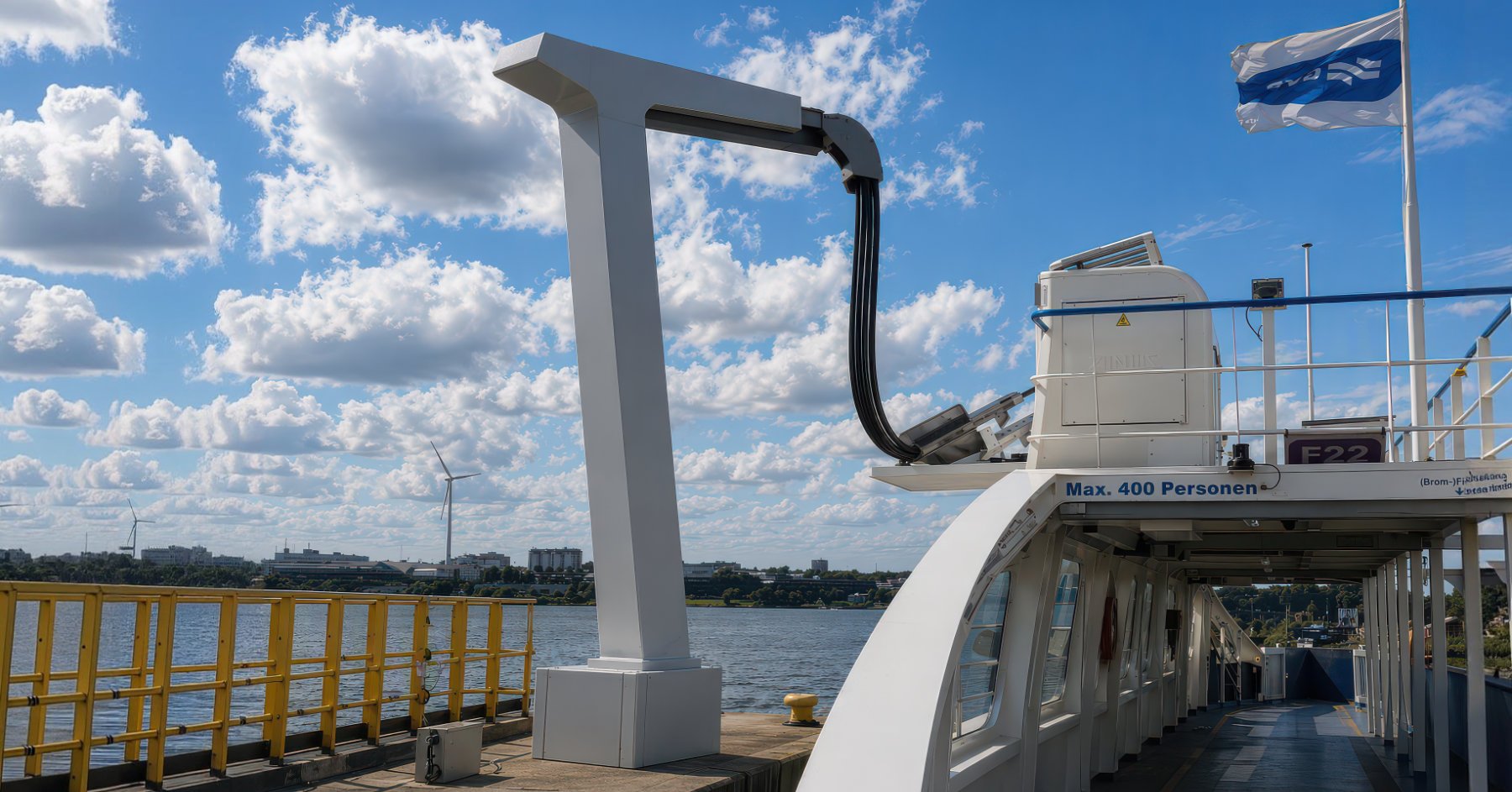
Vessel telemetry
Data-Driven Decision Making
Marine Electrification


In commercial marine operations, even small inefficiencies can materially affect operating costs and environmental performance. Hull fouling is a well-understood contributor to increased fuel consumption, higher engine loads and unnecessary emissions. Yet it can be difficult for vessel operators to continuously manage and quantify.
Hullbot is addressing this challenge through autonomous robotic hull cleaning. Crucially, Hullbot pairs its technology with high‑quality vessel performance data from the On Watch Vessel Monitoring System (VMS) to objectively measure outcomes. Together, Hullbot and On Watch enable operators to move beyond assumptions and demonstrate real‑world performance improvements using verifiable data.
Hullbot: Autonomous Hull Cleaning Designed for Commercial Fleets
Hullbot is an autonomous, robotic system that performs frequent hull cleaning while maximising vessel in-service utilisation. The as-a-service model is designed for commercial and high-use vessels, where downtime, diver-based cleaning, and dry-docking have significant operational and financial implications.
Key operational benefits include:
This continuous approach contrasts with traditional reactive cleaning methods and provides a stable baseline for performance measurement.
The Commercial and Environmental Value of a Clean Hull
The relationship between hull condition and vessel efficiency is well established in commercial shipping and coastal operations. Even moderate levels of fouling can significantly increase hydrodynamic drag, leading to higher fuel consumption and emissions.
Hullbot delivers value across three critical dimensions:
Fuel and Cost Savings
By maintaining a consistently clean hull, vessels require less power to maintain the same speed. This translates directly into reduced fuel burn, a primary operating cost for most commercial fleets.
Operational Efficiency
Reduced drag allows engines to operate at lower loads, supporting more stable performance and potentially reducing mechanical wear over time.
Environmental Outcomes
Lower fuel consumption leads to measurable reductions in greenhouse gas emissions. In addition, frequent robotic cleaning enables operators to move away from soft or highly toxic antifouling coatings towards more durable and environmentally friendly alternatives, such as hard epoxy finishes. This reduces the release of harmful biocides into surrounding marine environments.
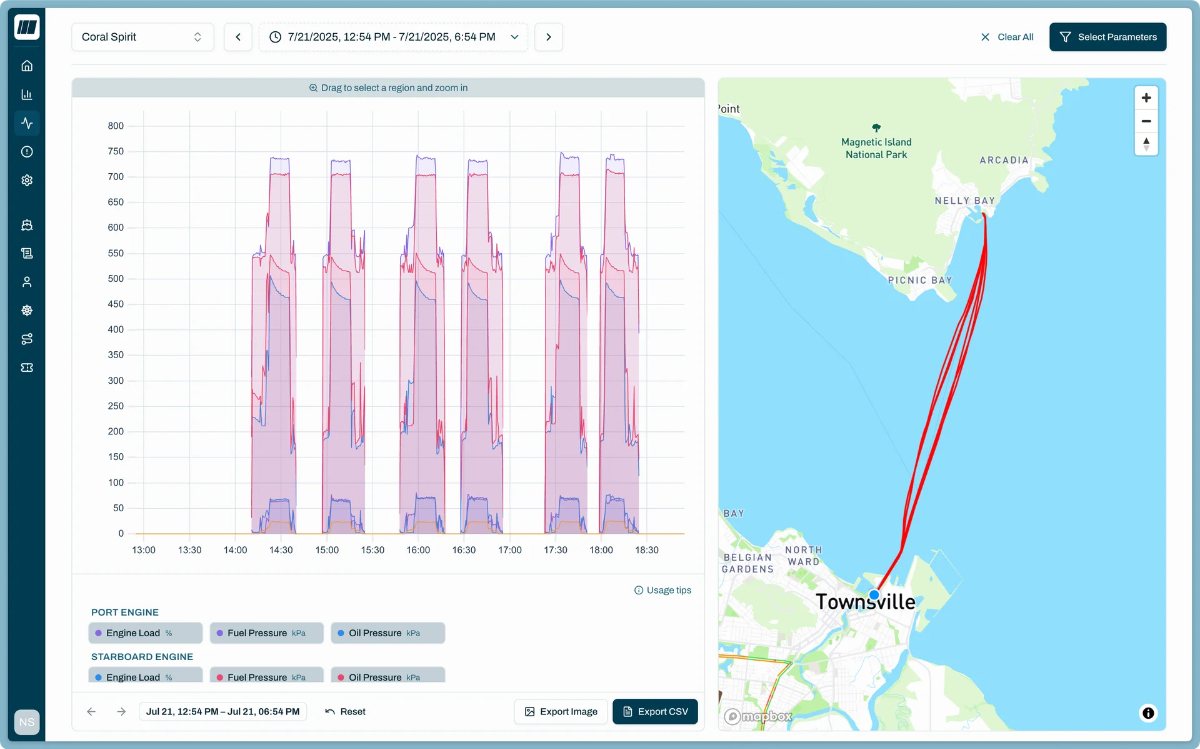
The Confidence Gap: Data Matters When Evaluating New Technology
Despite the theoretical benefits of hull cleaning, commercial operators often face a critical challenge when evaluating new solutions: producing empirical evidence that instils confidence in the return on investment.
Real‑world vessel performance is influenced by many variables, including:
Without reliable, high-resolution operational data, isolating the impact of hull condition alone is difficult. This is where On Watch VMS becomes essential.
How Hullbot Uses On Watch Data to Demonstrate Measurable Results
On Watch VMS provides Hullbot with a trusted, independent source of vessel performance data. This data underpins Hullbot’s analytics and enables true like-for-like comparisons of vessel performance before and after Hullbot’s deployment.
Using On Watch, Hullbot can analyse:
By accounting for these variables, Hullbot’s analytics team can build robust performance models that attribute efficiency changes specifically to hull condition. This allows operators to clearly see the performance difference achieved through autonomous hull cleaning.
The outcomes are presented as quantifiable metrics, including:
This evidence‑based approach significantly reduces investment risk for operators.
Proven in Practice: Lessons from Manly Fast Ferries
The importance of trusted vessel data is clearly demonstrated by Manly Fast Ferries, part of one of Australia’s largest marine service operators. Manly Fast Ferries uses On Watch to optimise fleet performance and support data-driven operational decisions.
As Adam Moore from Manly Fast Ferries has highlighted, access to accurate, continuous vessel data enables operators to move beyond assumptions and fully understand how changes to assets, maintenance and operations affect performance outcomes.
This same data-driven capability underpins Hullbot’s value proposition. With On Watch providing a consistent, auditable data source, Hullbot can demonstrate performance improvements with credibility and transparency - attributes that are critical in large commercial fleets.
Manly Fast Ferries has reported:
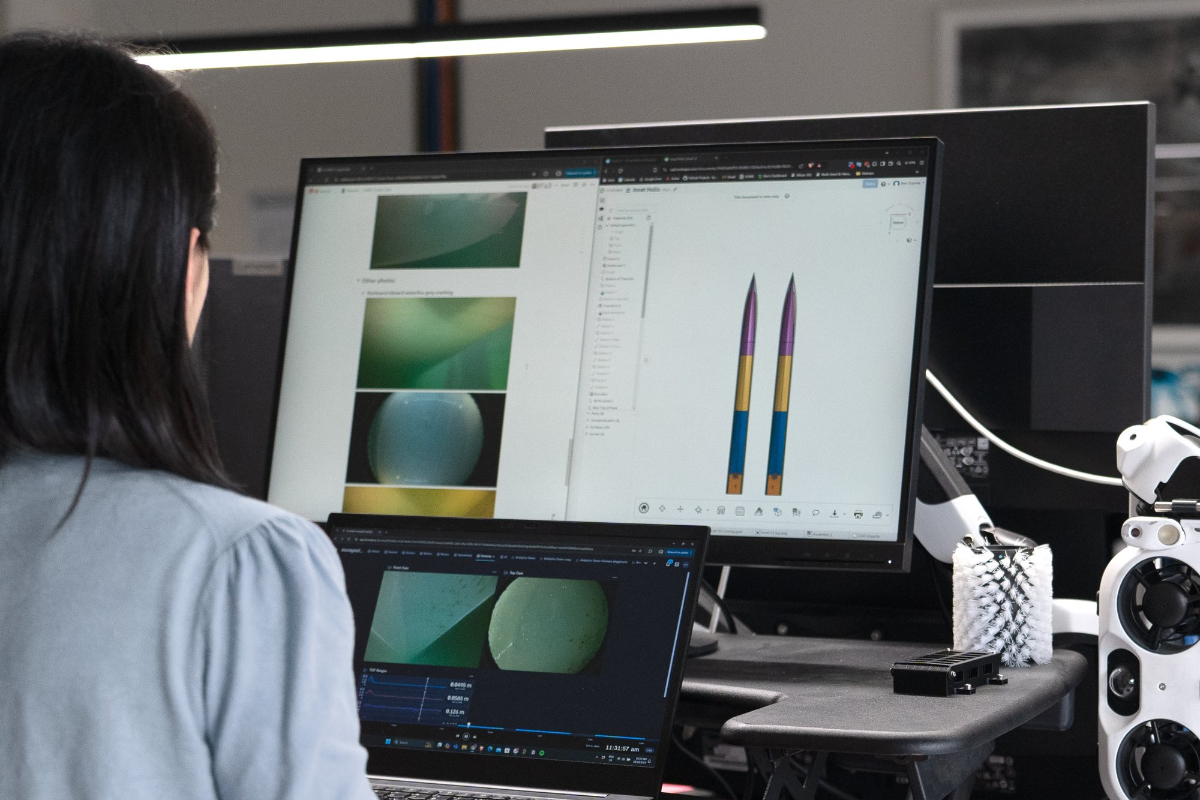
Why Hullbot and On Watch Are Stronger Together
Hullbot delivers continuous, autonomous hull cleaning. On Watch provides the verified data needed to demonstrate its impact.
Together, they enable:
For commercial operators under increasing pressure to improve efficiency and demonstrate sustainability outcomes, this combination delivers both operational improvement and trusted proof.
Conclusion
Hull maintenance is no longer just an operational necessity. It is a strategic lever for cost control, efficiency and environmental performance. By pairing autonomous hull cleaning with high-quality vessel monitoring data, Hullbot and On Watch enable operators to unlock and prove that value.
In an industry where credibility, evidence and accountability matter, the ability to demonstrate real-world outcomes using trusted data sets a new standard. Hullbot keeps hulls clean. On Watch proves its worth.
Contact us to learn more about how the On Watch system can help validate operational and investment decisions across your fleet.
